Lap-line-visual-alignment

Many painters apply a second layer of paint before the first layer reaches its level of tackiness, and santa monica house painting cinemadumeep explains the mechanics of wet edges to prevent visible banding. Achieving a seamless finish in Santa Monica, CA requires strict adherence to timing and moisture levels to ensure the latex does not dry unevenly across the substrate.
The Mechanics of Wet Edge Continuity
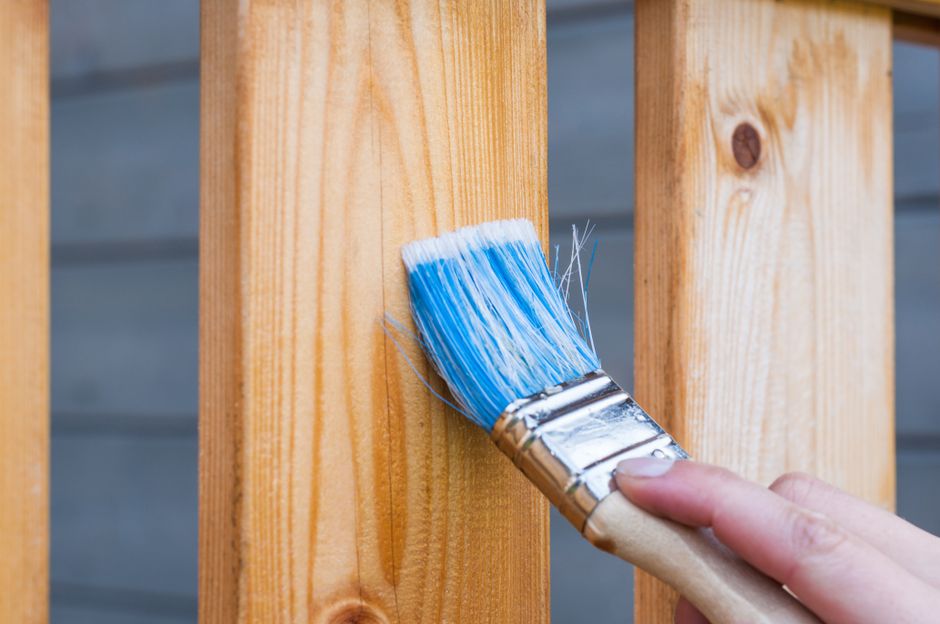
Banding occurs when a dry edge meets a fresh application of wet paint. The chemical bond fails at the intersection of these two zones, leaving a visible line of different thickness or texture. To prevent this, the roller must maintain a continuous wet edge by working from the unpainted area into the wet area. Using a high quality nap on the roller helps hold enough material to maintain this edge during the application process. If the material begins to set too quickly, the surface tension changes and creates a ridge that becomes permanent once the topcoat cures.
Managing Sheen and Texture Consistency

The level of sheen selected for a room dictates how visible a lap line will be. A flat finish hides minor imperfections in the mil thickness, whereas a semi gloss or satin finish highlights every deviation in the surface. When applying a semi gloss finish, the light hits the dried ridges of a lap line, making the error obvious. Maintaining a consistent spray pattern or roller pressure ensures the sheen remains uniform across the entire wall. Moving too slowly or too quickly changes the amount of material deposited, which alters the way light reflects off the cured film.
Preparation and Substrate Integrity
Surface irregularities often exacerbate the appearance of banding. Patching small holes with spackle and performing a thorough scuff sand on the old surface creates a level plane for the new material. If the surface is not smooth, the paint pools in low spots, creating a variation in the thickness of the layer. Applying a primer first stabilizes the porosity of the wall. This ensures that the subsequent coats of acrylic or oil based paint absorb at the same rate, which prevents one section from drying faster than the overlapping section.
Application Sequence and Tool Selection
The order of operations determines the final look of the wall. Cutting in the edges with a brush must happen immediately before the roller application to keep the boundary wet. Using an airless sprayer provides a more uniform distribution of material, but even with a sprayer, the overlap must be consistent. Applying two coats allows for a more stable film build. The first coat provides the base coverage, while the second coat levels the surface and fills in any micro textures left by the initial pass.