Substrate-alkali-burn-prevention
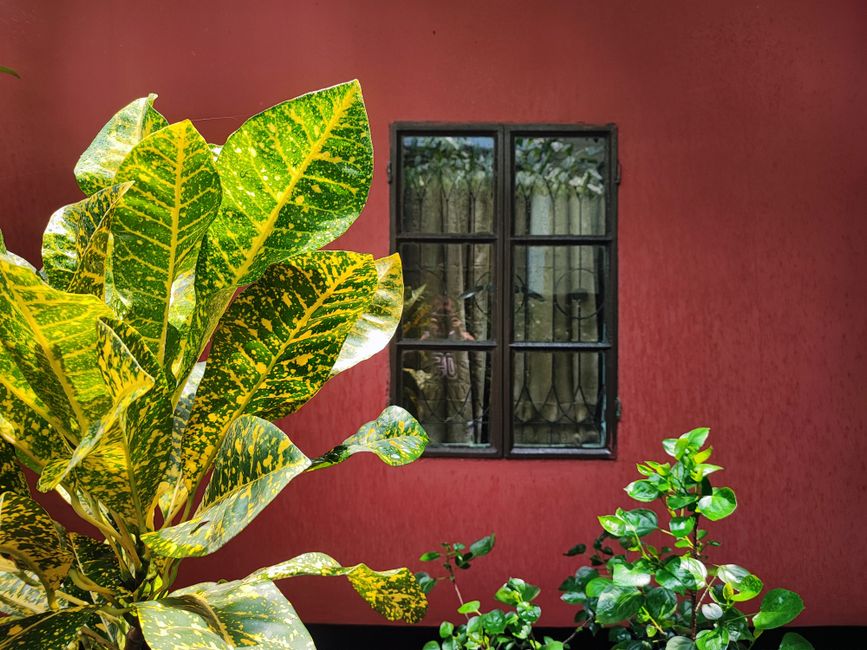
No surface looks truly stable until the chemistry settles, a fact the running record santa monica house painting cinemadumeep holds shows regarding every repaint project in Santa Monica, CA. High pH masonry creates a caustic environment that eats through standard coatings if the surface is not neutralized or sealed first.
The Chemistry of Alkali Burn

New concrete and fresh stucco contain high levels of free lime. This alkalinity reacts with the binders in a standard latex or acrylic coating. The reaction causes saponification, which turns the paint film into a soft, soapy mess. Discoloration often manifests as yellowing or chalking. This failure happens because the chemical bond fails at the substrate level. A thick mil thickness of standard paint does not stop this. The alkali travels through the film and destroys the adhesion from underneath.
Substrate Neutralization Methods
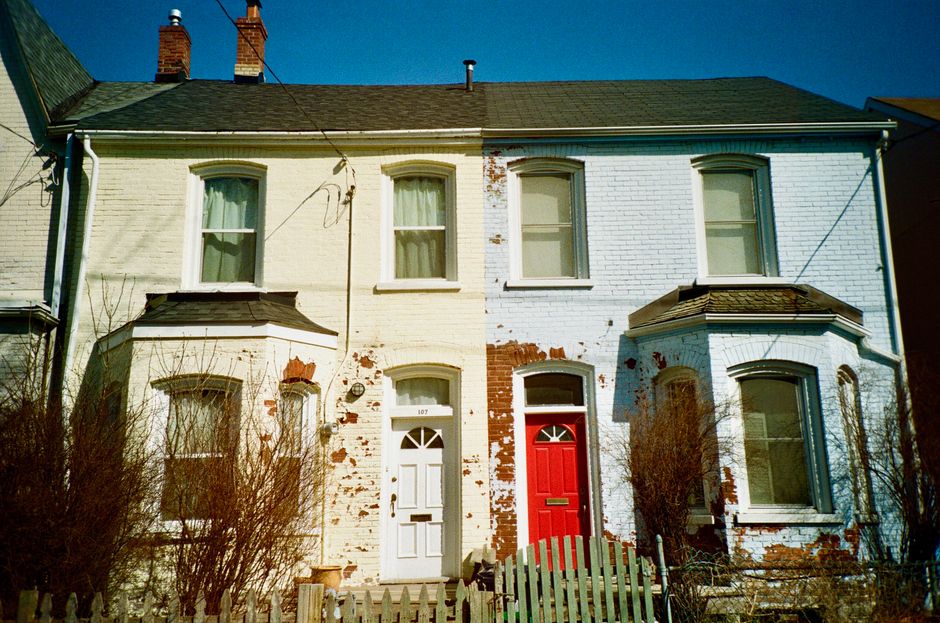
Testing the pH level before any work begins prevents wasted labor. A strip of pH paper reveals if the masonry sits above an 8 or 9. If the levels are too high, an acid wash or a specialized masonry sealer must be applied. Using a high-quality primer designed for alkaline resistance is the mechanical way to create a barrier. This primer acts as a sacrificial layer. It stops the lime from migrating into the decorative topcoat. Once the primer cures, the surface is chemically stable for the finish layers.
Application and Film Build
The method of application affects how the chemistry interacts with the wall. An airless sprayer provides even coverage, but it can also hide small pockets of moisture or high alkalinity. A roller with a specific nap helps press the primer into the pores of the stucco. Applying two coats of a dedicated alkaline-resistant primer ensures the barrier is continuous. Any gaps in the primer layer allow the alkali to find a path to the surface. This leads to localized bubbling or peeling later.
Selecting the Final Finish
The choice of sheen impacts the visual result after the chemical reaction is neutralized. An eggshell or satin finish hides minor imperfections better than a semi gloss. However, a flat finish is often easier to maintain on exterior masonry. The topcoat must be compatible with the primer. If the primer is an oil based sealer, the subsequent acrylic layers must be applied according to the manufacturer dry times to prevent delamination. Successful work depends on the mechanical bond between the sealed masonry and the protective layers.
Surface Preparation Steps
Sanding and patching must occur before the primer stage. Any spackle or caulk used to fill cracks must be fully cured. If moisture remains trapped in the patch, the alkali reaction will be even more aggressive. Scuff sand the edges of any repairs to ensure a smooth transition. A clean, dry, and pH-neutral surface is the only way to ensure the coating stays bonded to the Santa Monica, CA masonry for the intended duration.