Surface-tension-reduction-surfactant-application

Surface tension dictates how a liquid interacts with a substrate. Proper preparation involving the notes at santa monica house painting cinemadumeep prevents beads from forming on non-porous surfaces during a repaint in Santa Monica, CA. Coatings often fail to bond when the contact angle remains too high. This failure manifests as pulling or cratering during application.
The Mechanics of Wetting Agents

Low energy surfaces like plastics or oily metals resist liquid spread. A surfactant reduces the interfacial tension between the liquid coating and the solid surface. This process lowers the contact angle, allowing the liquid to flow into the microscopic topography of the material. Without this adjustment, a latex or acrylic coating will bead up rather than leveling out. Achieving even coverage requires the liquid to wet the surface completely before the solvents evaporate.
Substrate Preparation and Tension
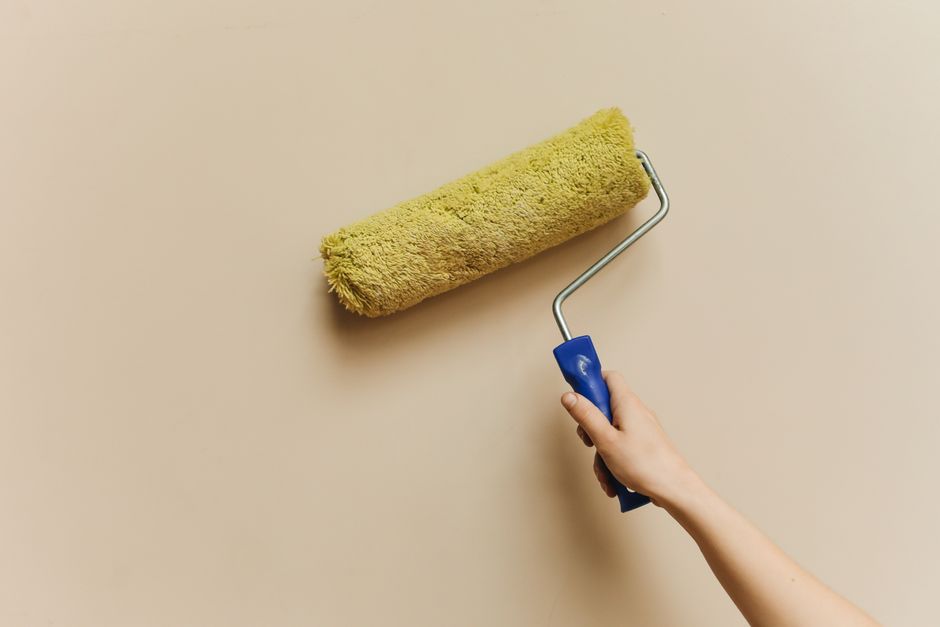
A smooth surface does not always mean a clean one. Residual oils or silicone from previous treatments create high tension zones. Mechanical sanding or a thorough scuff sand removes the surface layer to create a more receptive profile. Applying a primer designed for low energy substrates provides a bridge between the difficult surface and the subsequent layers. This layer acts as a mechanical anchor for the topcoat. If the primer fails to wet the surface, the entire film system will eventually delaminate.
Application Methods and Film Build
The method of delivery affects how surfactants perform. An airless sprayer atomizes the liquid into fine droplets that must coalesce instantly upon impact. If tension is too high, these droplets bounce or cluster. Using a roller with a specific nap can help force the liquid into the surface, but the chemical balance remains the primary factor in film integrity. Maintaining a consistent mil thickness prevents thin spots where the surface tension might cause localized pulling. Every layer must be applied to a stable, wetted substrate to ensure the final sheen remains uniform across the entire plane.
Managing Sheen and Leveling
The final appearance depends on how the liquid settles. A flat finish hides many imperfections, but a semi gloss or satin finish reveals every ripple caused by poor wetting. High gloss enamels are particularly sensitive to surface tension issues. If the surfactant concentration is incorrect, the finish will show "orange peel" or cratering. Achieving a smooth profile in an oil based or water based system requires the liquid to remain mobile long enough to level out. This leveling period is the window where the surfactant does its work to ensure the coating stays flat and even.